Drop Spindle for Beginners: The $20 Entry to Hand Spinning
How to choose, set up, and spin on a drop spindle. The specific spindle to buy at $15 to $25, the fiber that cooperates, and the path from spindle to wheel.
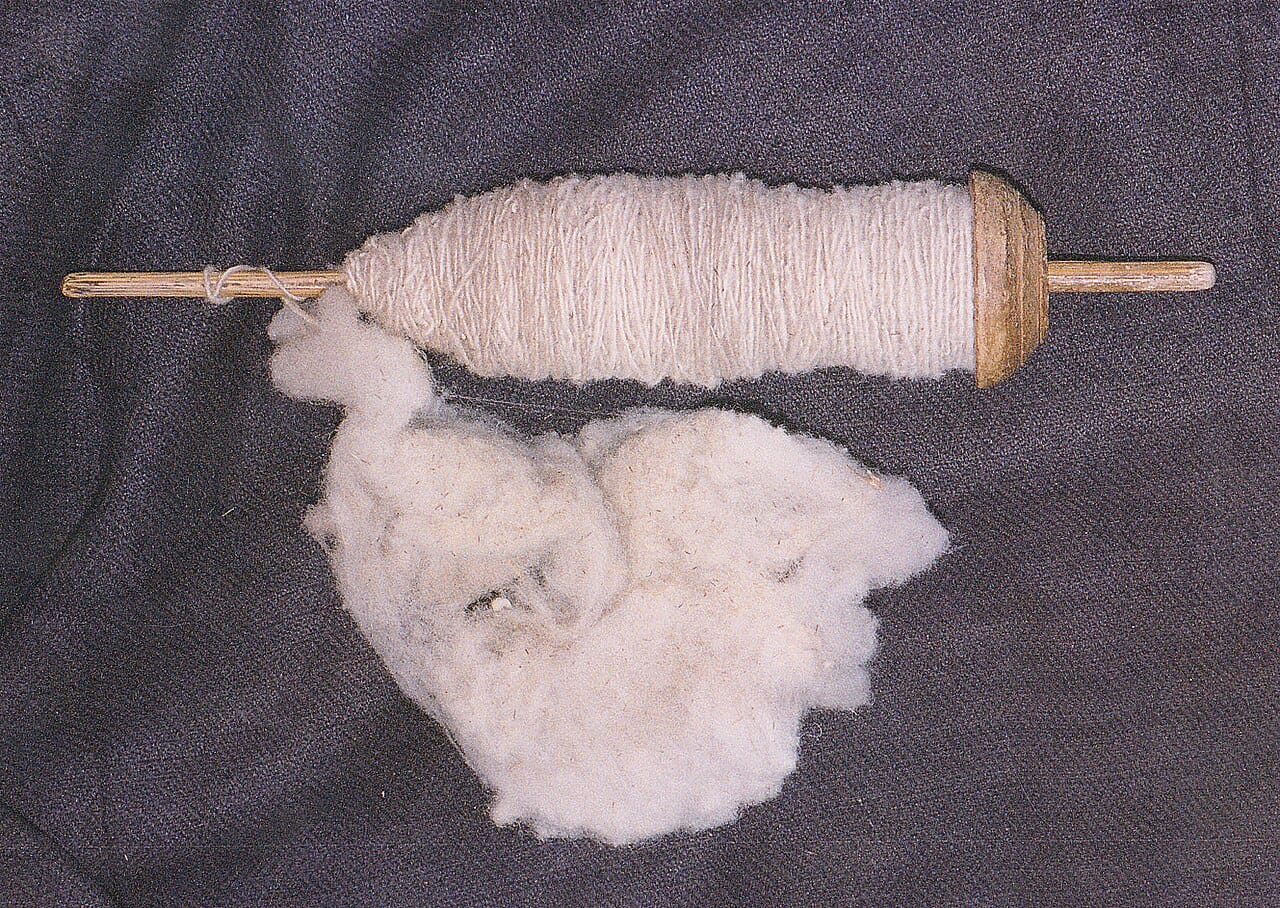
A drop spindle costs $15 to $25. The fiber for a first project costs another $10 to $15. The entry price to hand spinning is under $40, the spindle fits in a coat pocket, and the skills it teaches are the same ones a $700 spinning wheel uses, just slower and more visible.
This is the guide to choosing a spindle, preparing fiber, and spinning your first singles, with an honest account of where the spindle path leads.
Which drop spindle should a beginner buy?
Buy a top-whorl spindle in the 25 to 35-gram range for $15 to $25. The Ashford Student Drop Spindle costs under $20 at most fiber retailers (The Woolery, Paradise Fibers, Halcyon Yarn) and is the correct first spindle for most beginners. It is a top-whorl design (the weighted disk sits at the top of the shaft, above where the yarn winds) in beechwood at 28 grams.
Why 28 grams matters: a heavier spindle maintains spin longer before winding down. A beginner needs time to draft and feed fiber into the twist; if the spindle slows and stops too quickly, the yarn breaks or un-twists before it can be wound on. The 28-gram weight gives a reasonable window. Lighter spindles (15 grams) are for experienced spinners working fine yarn. Heavier spindles (40g+) are for bulky yarn and thick fiber.
The Schacht Hi-Lo Spindle is the other common beginner recommendation: a convertible design that functions as both top-whorl and bottom-whorl. It costs slightly more than the Ashford Student and is worth the price if you want to explore both whorl positions without buying a second spindle.
Both are available from any fiber retailer. Neither is on Amazon in verified form; buy from a fiber shop, not a marketplace listing.
What fiber should you spin first?
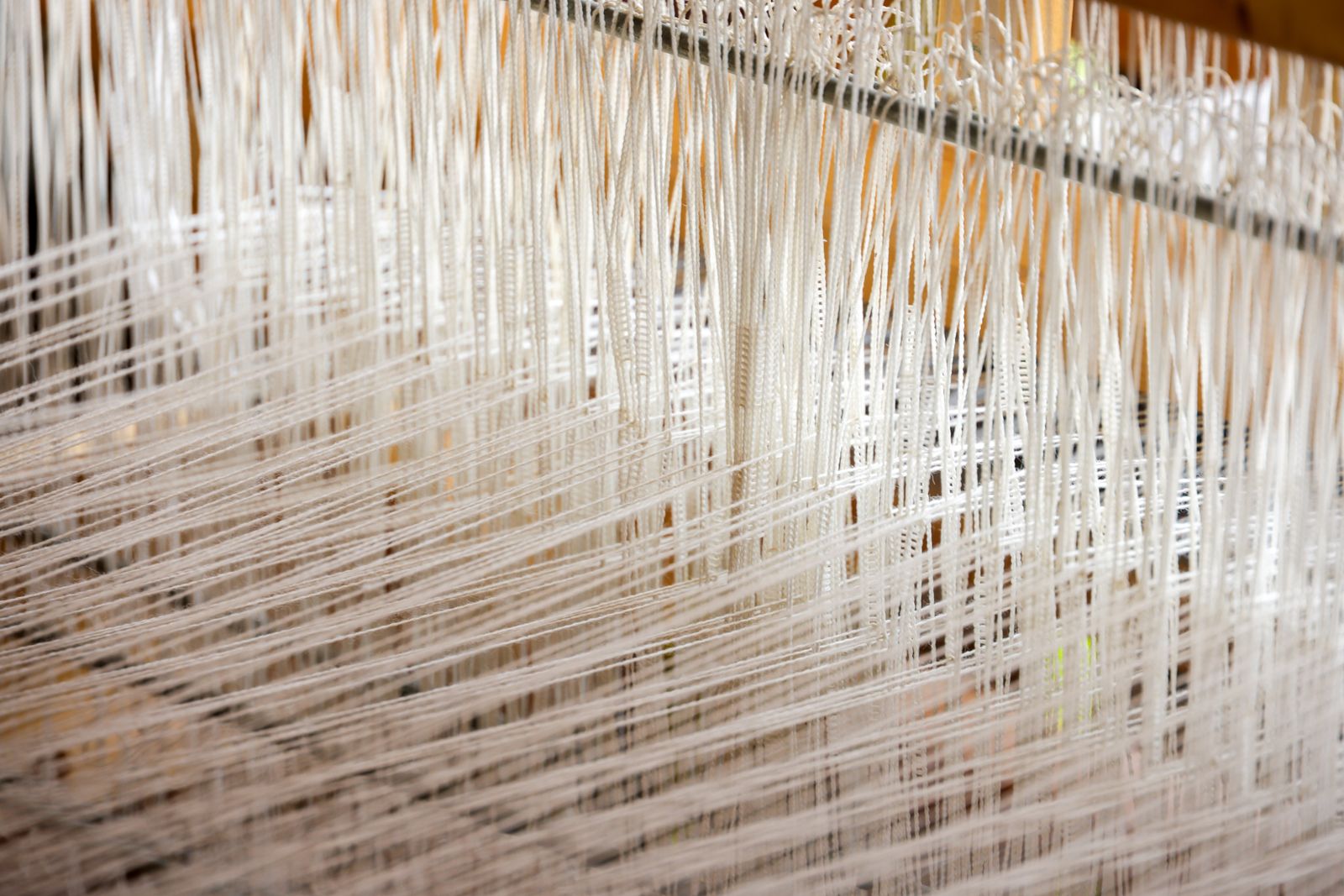
Start with Corriedale wool top or roving, 3 to 4 inches staple length, natural or dyed. Budget $10 to $15 for 4 ounces. Four ounces of Corriedale is enough for several hours of spinning practice and will yield approximately 150 to 300 yards of singles depending on how thick you spin.
Why Corriedale specifically: it has enough crimp to hold twist without a lot of spin, enough staple length to draft comfortably, and enough margin for error that inconsistent drafting does not immediately snap the yarn. Merino is softer and often recommended, but pure Merino’s short staple length makes it slightly less forgiving for beginners. A Merino-Corriedale blend splits the difference.
Avoid for your first fiber: cotton (no crimp, requires more spin), silk (slippery, breaks if spin is uneven), very fine Merino (forgives nothing), and both ends of the staple-length spectrum: short fibers like cashmere and angora, and long ones like Wensleydale or Cotswold. Extremes in either direction punish inconsistent drafting harder than a mid-staple wool like Corriedale will.
A spindle and a few ounces of fiber are small enough to lose in a bag or a drawer. A dedicated project bag keeps the spindle, the fiber, and whatever you’ve spun so far together, which matters more than it sounds like it should once you start carrying the whole kit between the couch, the car, and a guild meeting.
As an Amazon Associate, Wool Hall earns from qualifying purchases, at no extra cost to you.
How do you spin on a drop spindle?
Spinning is one repeating cycle: spin, draft, wind on. Set the spindle turning clockwise, draft the fiber so twist runs up into it, then wind the new yarn onto the shaft and spin again.
Attaching the leader: before you can spin your fiber, you need a leader: a short length of pre-spun yarn tied to the spindle hook and wound a few turns down the shaft. The leader gives the fiber something to attach to. Tie about 18 inches of any yarn to the shaft below the whorl, wind a few times around, and loop over the hook.
Drafting and spinning:
- Hold a length of fiber in your non-dominant hand. Pinch the leader and fiber together with your dominant hand.
- Set the spindle spinning clockwise (for S-twist, the standard for singles). Hold the spindle and give it a clockwise flick, then let it hang.
- While the spindle spins, use your hands to draft (pull) the fiber gently, letting twist run up into the drafting zone. The twist turns the fiber into yarn.
- When the spindle slows, wind the new yarn onto the shaft below the whorl, loop over the hook, and spin again.
That cycle (spin, draft, wind on) is the entirety of drop-spindle technique. The refinements (park-and-draft method, long-draw, supported spindle work) are variations on the same pattern.
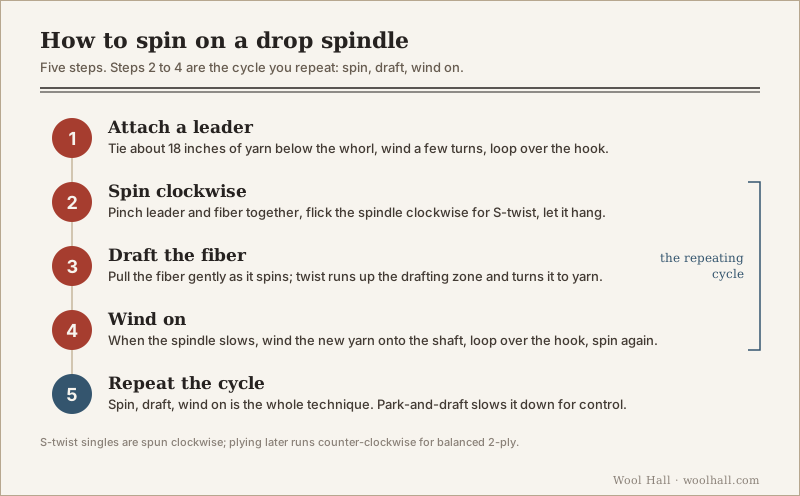
The whole technique is one short cycle: steps 2 to 4 (spin, draft, wind on) repeat until the fiber runs out, with step 1’s leader done only once at the start. Wool Hall original diagram.
The park-and-draft method for beginners: stick the spindle under your arm or between your knees so it holds the twist still. Draft the fiber with both hands, to a consistent thickness. Then release the spindle, let it spin, and watch the twist run up into the drafted fiber. This is slower than drafting while the spindle hangs, but far more controlled. Most beginners learn faster with park-and-draft for the first two to three hours.
Give it time to click. Most people produce a recognizable strand of yarn within the first hour or two, though it won’t look like much yet. Turning that into consistent, balanced yarn you’d actually want to knit or weave with usually takes two to four weeks of regular practice. The upside: drafting technique, twist management, and reading fiber are the same skills a spinning wheel demands, and they come faster on a spindle because everything happens slowly enough to watch.
Why do you ply singles into 2-ply yarn?
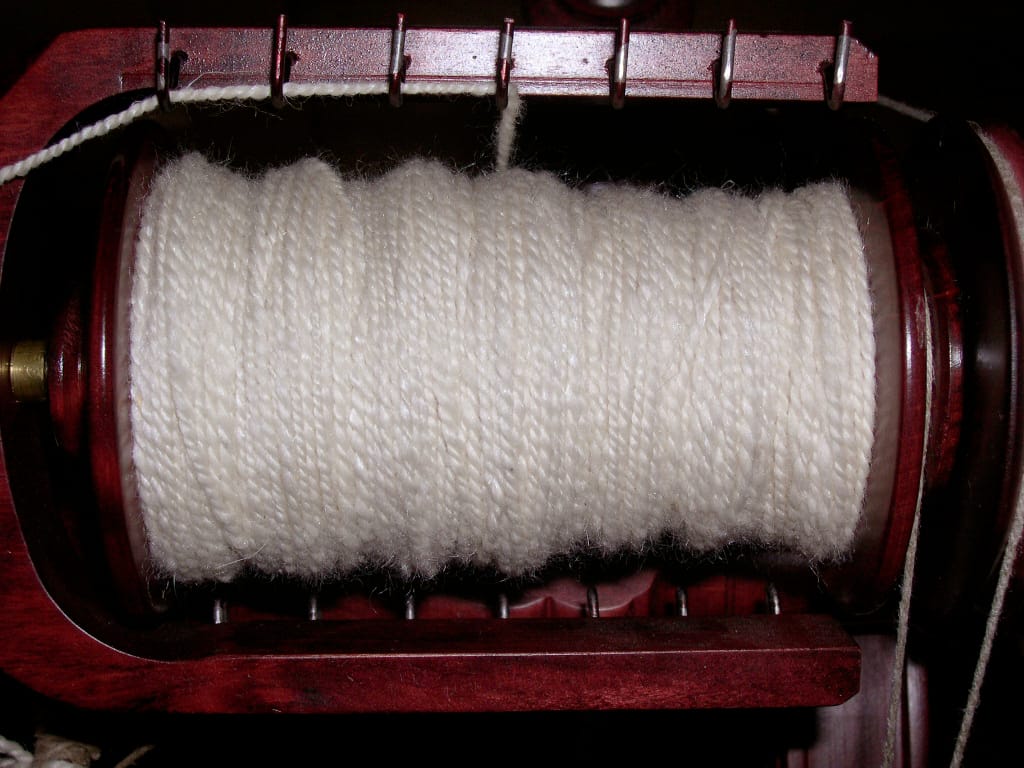
Singles yarn spun clockwise (S-twist) will bias and twist back on itself when knitted or woven. Most useful yarn is plied: two or more singles twisted together in the opposite direction (Z-twist, counter-clockwise) to create balanced yarn.
To ply two singles on a drop spindle:
- Wind each singles onto a separate ball or bobbin.
- Attach both singles to the spindle with a leader.
- Spin the spindle counter-clockwise while letting twist run up through both strands.
- The two strands twist around each other, forming a balanced 2-ply.
Balanced 2-ply yarn from a drop spindle is the equal of wheel-spun yarn: it will not bias, will hold its shape after washing, and can be used for weaving or knitting projects. Wind the finished skein into a center-pull ball using an umbrella swift to hold the hank open while winding; without one, winding handspun from a skein usually ends in tangles.
When should you move from a spindle to a wheel?
Move to a wheel once you can spin singles consistent enough to ply balanced 2-ply without constant correction, usually after 20 to 40 hours of spindle time. A drop spindle teaches everything a spinning wheel uses. The wheel is faster and less tiring (motorized drafting speed comes from the wheel ratio instead of arm speed), but the fundamental skill set is identical. Most spinners who move from spindle to wheel report that wheel learning takes one or two days, not weeks, because the drafting technique is already in their hands.
The common first wheels in this price range: the Ashford Kiwi 3 ($500 range, scotch tension), the Ashford Traveller ($700 range, two-drive), and the Schacht Ladybug ($700 range, scotch tension). Wheel spinners who start processing raw fleece regularly add a drum carder to their setup; the drum carder guide covers the $600-and-up tier and the used market where most buyers in this class find the best value.
The spindle is not a lesser thing than a wheel. Drop spindles predate spinning wheels by several thousand years, and plenty of accomplished hand spinners never move to a wheel at all, staying on spindle by preference rather than necessity. Many spinners own both and use them for different contexts: the spindle for travel, fine yarns, and meditative single-ply work; the wheel for high-volume production. Spinners who weave their handspun find the rigid heddle first project is the natural next step: real cloth from yarn you made. Start where the spindle takes you.