Frame Loom vs Rigid Heddle: Which Should You Buy First?
Frame loom vs rigid heddle vs tapestry loom, decoded: what each actually weaves, real prices from $20 to $495, and which to buy first. Verified July 2026.
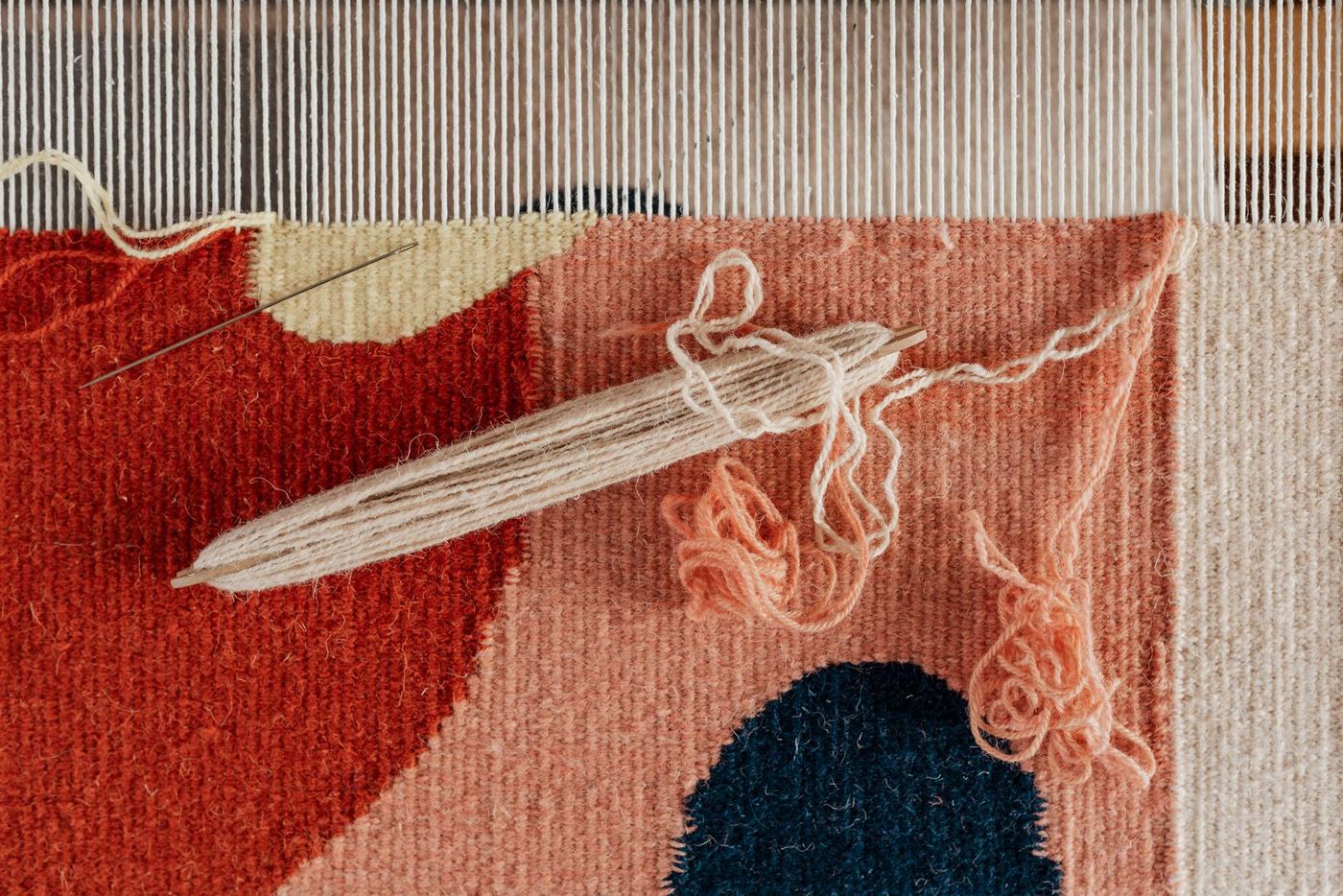
A frame loom and a rigid heddle loom are not two versions of the same tool. A frame loom, also sold as a tapestry or lap loom, has no shed-changing mechanism worth the name and makes weft-faced pictures: wall hangings, panels, woven art. A rigid heddle loom has one moving part, the heddle, that mechanically opens two sheds and makes balanced-weave cloth: scarves, towels, yardage. Frame looms start around $20. Rigid heddles start around $225. The right first purchase depends entirely on which of those two things you actually want to make.
| Feature | Frame / tapestry loom | Rigid heddle loom |
|---|---|---|
| Price, new | $20 to $495 (most buyers land at $20 to $82) | $225 to $255 |
| Shed mechanism | None on entry models; 4 heddle bars on Schacht’s largest frame | 1 heddle, 2 mechanized sheds |
| Weave produced | Weft-faced (weft hides the warp entirely) | Balanced weave (warp and weft equally visible) |
| What it makes | Wall hangings, tapestry panels, pictorial pieces | Scarves, towels, runners, plain yardage |
| Typical weaving width | 5” to 32” | 10” to 48” |
| Warp advance | Fixed length, set once | Advances on a cloth beam, so pieces can outrun the loom’s own length |
| Learning curve | Tension control, bubbling the weft | Warping cleanly, consistent beat |
What actually separates a frame loom from a rigid heddle loom?
The heddle is the whole story. A rigid heddle loom’s reed is also its shed-changing mechanism: warp threads alternate through slots and holes in a single rigid frame, and raising or lowering that frame opens one of two sheds automatically. Every pass of the shuttle is one motion, up or down, and the loom does the sorting. That is what “rigid heddle” names: a heddle rigid enough to double as the reed.
A frame loom, at the price most beginners actually pay, has none of that. The KISSBUTY-style import kits and the $65 Ashford Weaving Frame are four pieces of wood with a way to space the warp, usually a row of notches or a comb, and nothing that opens a shed for you. Even Schacht’s $82 Lilli Loom, a genuine step up in build quality with a hard maple frame and no-slip plastic teeth warping at 6 or 12 ends per inch, ships with a shed stick and a pick-up stick rather than a heddle. You open one shed by lifting the stick. You open the other, and every color change within a row, by hand, needle or fingers picking threads one at a time. Schacht’s own $187 Tapestry Loom is the outlier: it adds four heddle bars specifically to speed up shed changes on a larger frame, up to 25 by 60 inches, but four heddle bars for pattern speed on a stand-mounted frame is a different feature from the Cricket’s single reciprocating heddle, and it still will not turn out balanced cloth.
Should a beginner start with a frame loom or a rigid heddle loom?
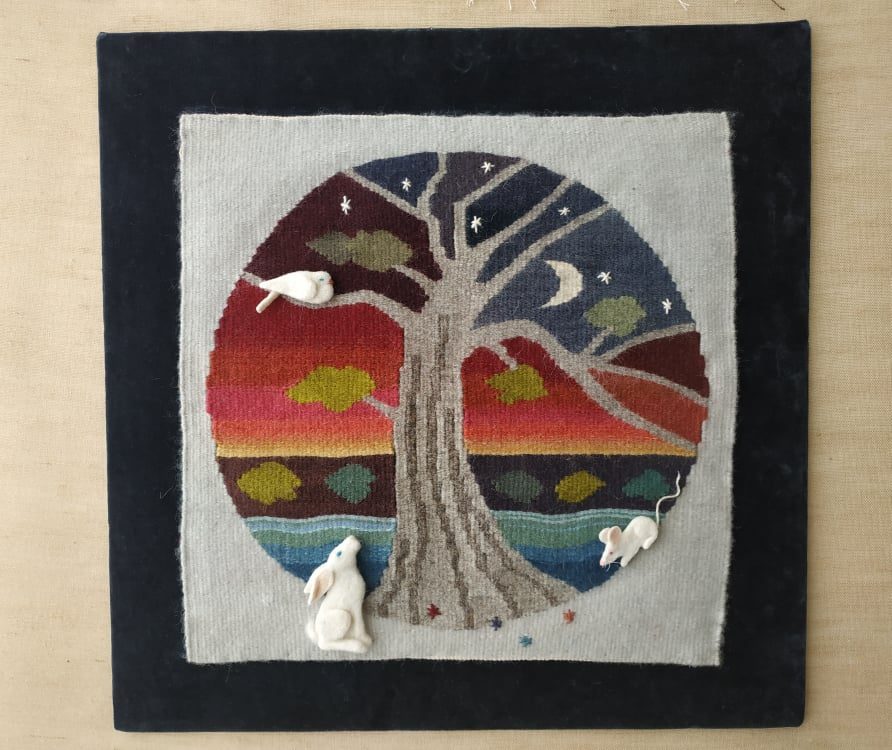
Answer the question of what you want to make before you answer the question of which loom to buy, because the two tools do not overlap much. If you want art for the wall, weft-faced pictures, the current Instagram wave of woven wall hangings, buy a frame loom. It is cheap, forgiving of a slow start, and the entire craft is about tension and color, not mechanics. Our own tapestry loom guide walks through that tier in full, and the honest advice there holds here too: a $20 to $85 frame is the right first loom for almost everyone chasing tapestry, and the $300 tensioned looms are a second purchase, not a first one.
If you want cloth, something you wear or dry your hands on, buy a rigid heddle loom. The mechanized shed is what makes plain-weave fabric practical at any real pace, and a rigid heddle at $225 to $255 gets you there faster than a frame loom ever will, because a frame loom is not building toward cloth at all. Our Schacht Cricket review and Ashford rigid heddle review cover that fork in detail.
Genuinely undecided beginners have a reasonable third option: start with the cheapest frame kit, weave two or three small pieces, and let the actual experience decide. A $25 KISSBUTY-style kit is a real test of whether the meditative, one-row-at-a-time pace of tapestry appeals to you, at a tenth of the cost of finding out you don’t like scarves either. Check current price on a beginner frame kit. As an Amazon Associate, Wool Hall earns from qualifying purchases. What a frame loom will not teach you is warping tension across a wide reed or beating a consistent weft into cloth, so treat it as a test of the craft’s temperament, not a rehearsal for rigid heddle weaving.
What does a frame or tapestry loom actually cost?
Plan on $20 to $85 for the tier that actually matters to a beginner, with a much wider tier above it for weavers who commit to the craft. Four bands, each verified on the maker’s own page in July 2026.
| Tier | Example | Price | Weaving area | Heddle mechanism |
|---|---|---|---|---|
| Import kit | KISSBUTY-style wooden frame | $20 to $40 | ~10” x 16” | None |
| Maker-built frame | Schacht Lilli Loom | $82 | 10” x 15” | None (shed stick) |
| Maker-built frame | Ashford Weaving Frame | $65 | 13”x9” or 27”x19” | None |
| Large stand frame | Schacht Tapestry Loom | $187 | up to 25” x 60” | 4 heddle bars |
| Tensioned professional | Mirrix (Chloe to Joni) | $140 to $495 | 5” to 32” | None, but tensioned |
The jump from a $30 import kit to the $82 Lilli Loom buys real things: a hard maple frame instead of soft pine, no-slip plastic teeth instead of loose notches, and a kit built by a company that has made looms in Boulder, Colorado since the 1970s. Check current price on the Schacht Lilli Loom. The jump past that, into a tensioned Mirrix, buys something different: threaded rods and wing nuts that hold the warp at even, high tension the way a frame’s fixed notches cannot, which is what serious tapestry weavers actually need once pieces get larger or setts get finer. Tapestry instructor Rebecca Mezoff, who teaches this craft professionally, is explicit that a beginner does not need a Mirrix to start, or even to take her own courses. Buy the tension once you have outgrown a frame, not before.
What does a rigid heddle loom actually cost?
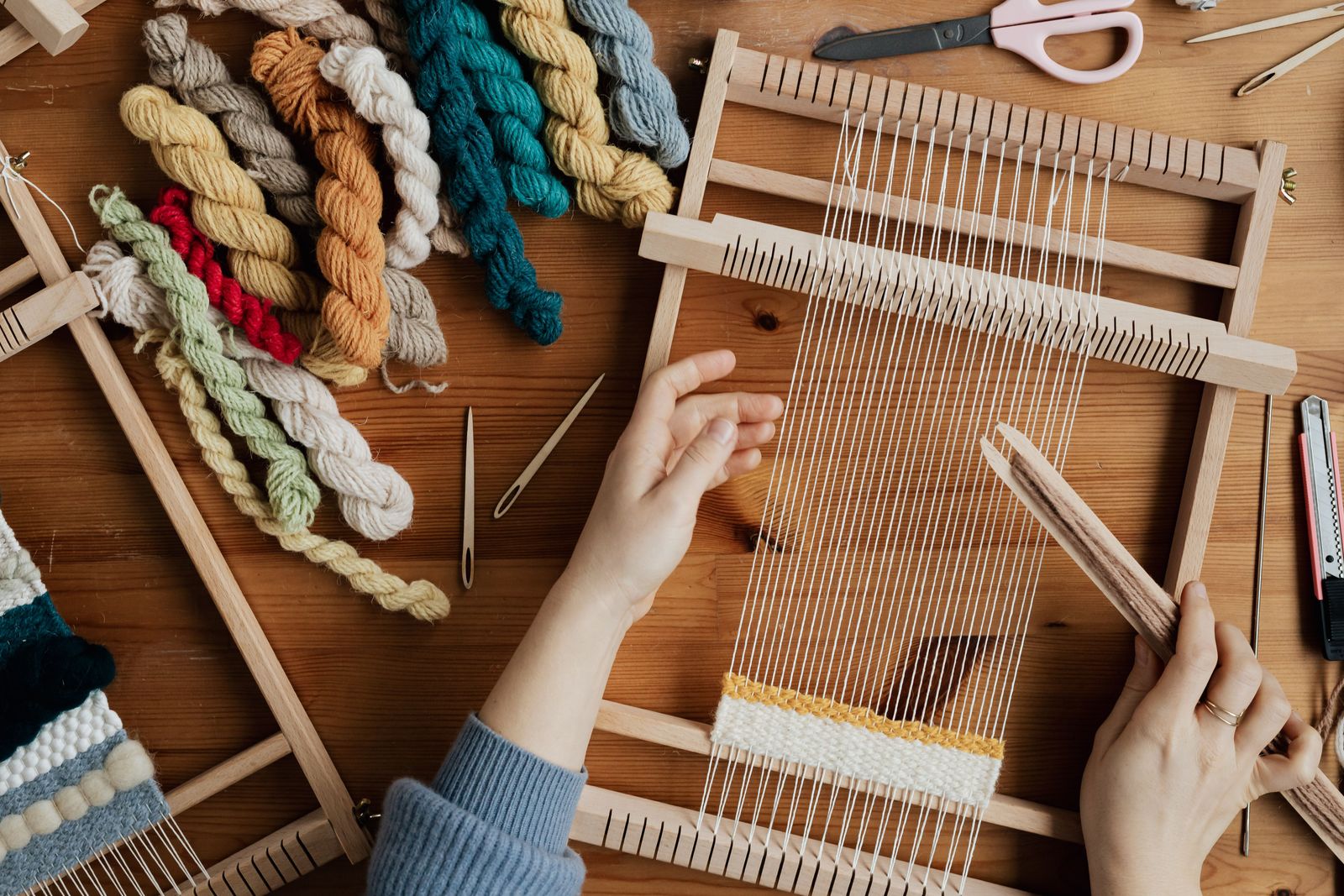
Budget $225 to $255 for the loom most beginners should actually buy, with almost no meaningful gap between the two leading brands. The Schacht Cricket runs $229.99 for the 10-inch and $245.99 for the 15-inch, an 8-dent reed included, hard maple and maple plywood construction. The Ashford SampleIt runs $225 for the 10-inch and $255 for the 16-inch, a 7.5-dent heddle included, New Zealand Silver Beech. Both ship ready to warp with shuttles, a threading hook, and warping hardware in the box.
That $225 to $255 band is not a coincidence. It reflects what a mechanized shed and a full-width cloth beam actually cost to manufacture at this scale, roughly three times a maker-built frame loom and five to ten times an import kit. You are paying for the part that makes cloth weaving fast: the reed doubles as the shed-changer, and the loom has a proper warp beam and cloth beam so a piece can run longer than the loom itself. Neither of the frame looms in the tier above has either feature. Our full breakdown of both, Schacht Cricket vs Ashford rigid heddle, covers reed dent, width, and the 4-shaft upgrade path in depth if you’re choosing between the two.
Can you make functional cloth on a frame loom?
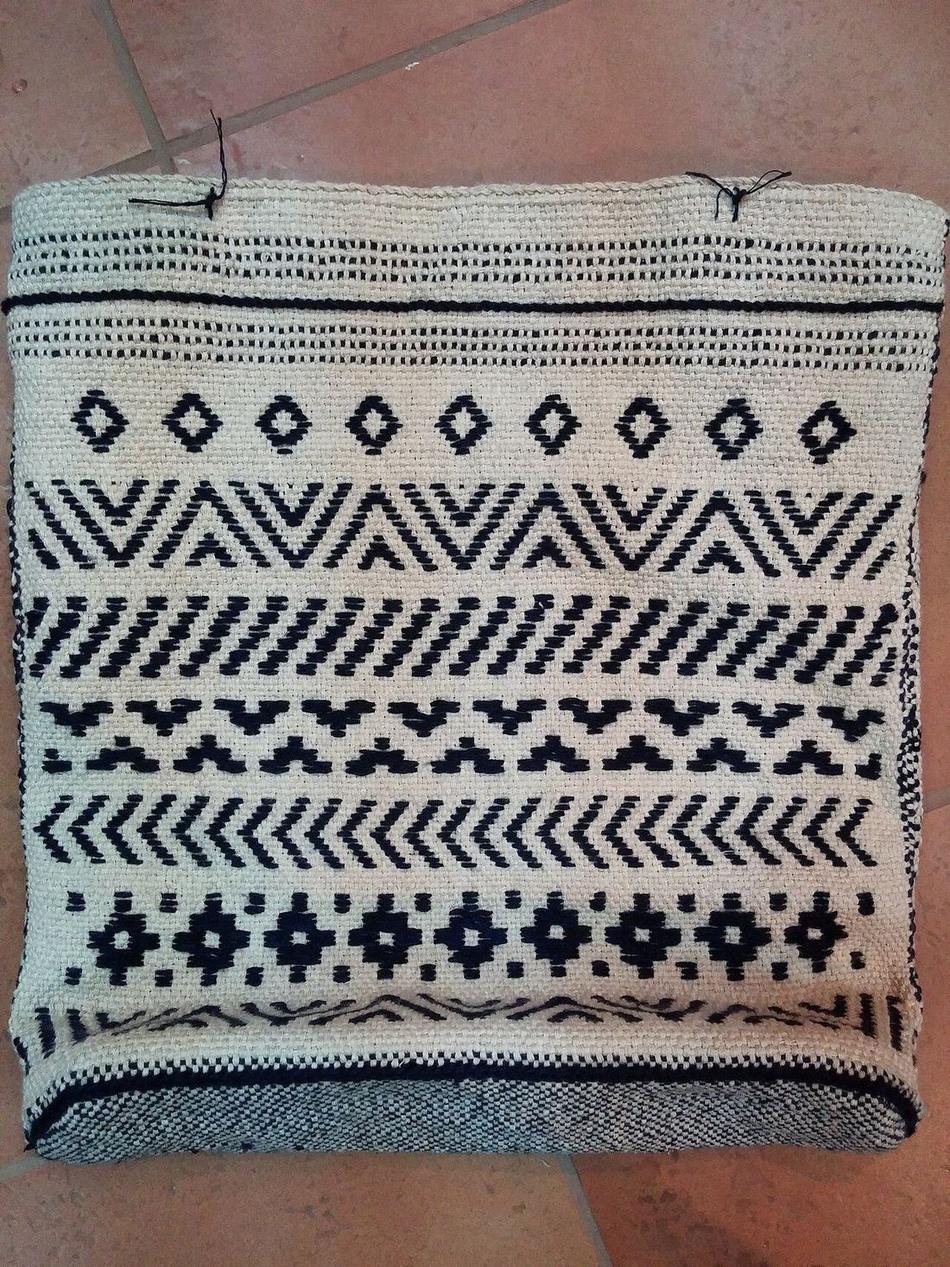
Not practically, no. A frame loom can technically produce a balanced weave if you control your weft tension evenly and use a shed stick for both passes, but almost nobody uses one that way, for good reason. Tapestry technique is weft-faced by design: you beat the weft down hard enough to bury the warp completely, which is exactly wrong for wearable cloth, where you want warp and weft each pulling their own weight. And a frame loom has no cloth beam to advance the work, so your finished piece is capped at the loom’s own length. A $65 Ashford Weaving Frame maxes out around 27 inches. That is a wall hanging. It is not a scarf, and it is nowhere near a yard of yardage.
The crossover runs more sensibly in the other direction. Kelly Casanova’s weaving lessons and Schacht’s own archive both confirm that you can weave tapestry-style on a rigid heddle loom: warp it normally, ignore the heddle for shed changes if you want a fully weft-faced look, and beat with a fork or tapestry beater because the reed alone won’t pack the weft tightly enough. It works for small pieces, because the rigid heddle already has the tensioning and beam advance a frame loom lacks. It is a fine way to sample tapestry technique on a loom you already own. It is not a reason to buy a rigid heddle specifically for tapestry, and a dedicated frame loom will hold tension better for that job regardless. Our Schacht Cricket review covers that crossover from the rigid heddle side.
Is a tapestry loom cheaper than a rigid heddle loom?
At the entry tier, dramatically. A $20 import frame or an $82 Lilli Loom costs a third to a tenth of a $225 to $255 rigid heddle, and that gap is the single biggest reason a frame loom is the lower-risk first purchase if you’re not sure weaving will stick. But “tapestry loom” stops meaning “cheap” the moment you move into the tensioned professional tier. Mirrix looms start at $140 for the 5-inch Chloe and run to $495 for the 32-inch Joni, and several models in between (the 19-inch Deb at $390, the 22-inch Zach at $405, the 28-inch McKinley at $445) cost noticeably more than either rigid heddle in this comparison. The chart below lays out all four bands side by side.
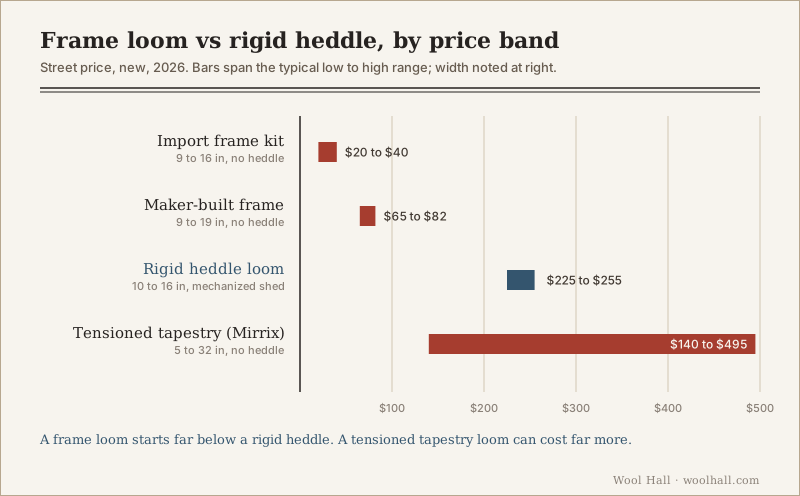
So the honest answer has two parts. Comparing the loom most beginners actually buy in each category, tapestry wins on price by a wide margin. Comparing the full range of what each craft can cost once you’re committed, the categories overlap and tapestry’s ceiling is higher. Don’t let “tapestry looms are cheap” talk you into a $495 Mirrix as a first purchase; that is not the loom this article is recommending, and it is not what the price comparison actually shows for a beginner.
Which weaving kit should a beginner actually buy?
Buy based on the output you want, not on price alone, though price should break any remaining tie.
Buy a frame loom if:
- You want wall art, not wearable cloth
- You’re testing whether weaving appeals to you at all, and want to risk $20 to $40 finding out
- You already know tapestry is the craft, in which case skip the import kit and buy the $82 Lilli Loom or $65 Ashford Frame directly
Buy a rigid heddle loom if:
- You want a scarf, a set of towels, or fabric yardage by name
- You’re fine spending $225 to $255 to get a mechanized shed that makes cloth at a real pace
- You’ve read about tapestry, thought “that’s not really what I want,” and just haven’t said so yet
Buy neither yet if:
- You’re not sure which output you want. A $25 frame kit answers that question for less than a rigid heddle’s reed replacement costs.
Most weaving kits marketed at total beginners are frame kits, because they’re the cheapest way to put a loom in someone’s hands, and that has quietly created the impression that tapestry is the default entry point to weaving. It isn’t. It’s one of two entry points, and it’s the wrong one if what you actually want is fabric. Decide what you’re making first. The loom follows from that, not the other way around.
If cloth is the goal, rigid heddle vs floor loom is the next fork once you outgrow a rigid heddle, and best rigid heddle loom ranks the full field by width and budget. If wall art is the goal, the tapestry loom guide covers your first three projects and the mistakes every new tapestry weaver makes. Either way, the loom is the cheap part. The yarn and the time are where the craft actually happens.