Louet David III Review: 8-Shaft Dutch Floor Loom Specs
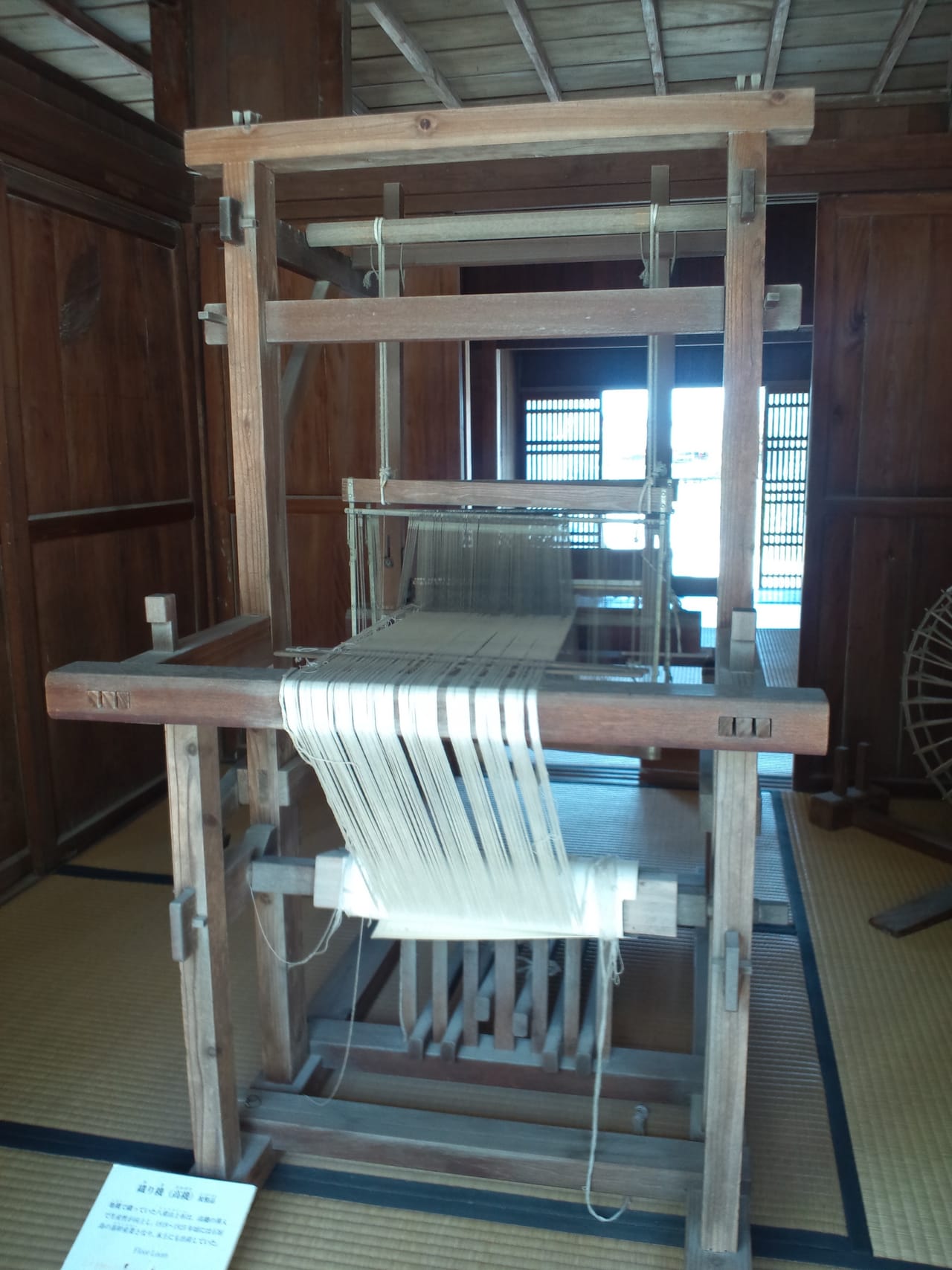
8 shafts standard, three widths (27.6 to 43.5 inches), a spring-pulley sinking shed, and a 33.5-inch depth. Prices from $5,087, verified June 2026.
The Louet David III is an 8-shaft, 10-treadle floor loom built in the Netherlands, starting at $5,087 (verified June 2026). Its spring-pulley sinking shed cuts treadling effort sharply, and a 33.5-inch depth fits tight studios. It is not a beginner loom; buy it once you know you want 8 shafts.
Available in three widths from 27.6 to 43.5 inches in lacquered beech, it suits the weaver who has a dedicated studio space and is ready to buy once and not upgrade again. The sinking-shed jack mechanism, with springs and pulleys, significantly reduces treadling effort compared to conventional floor looms at the same shaft count.
What kind of loom is the Louet David III?
The David III is a sinking-shed jack loom. In jack looms, each shaft operates independently via the treadles, without the linkage between opposing shafts that characterizes counterbalance and countermarch designs. This means unbalanced weaves (where unequal numbers of threads lift per shed) are fully supported. Networked drafts and deflected doubleweave, which require asymmetric lifts, work without the structural compromise you get on a counterbalance loom.
The sinking-shed version of jack mechanism lowers shafts when a treadle is pressed rather than lifting them. Louet adds a spring-and-pulley system to this: springs support the weight of the shafts and warp load, so the weaver’s foot is primarily managing the spring tension rather than lifting mass. The result is a treadle that feels lighter than the loom’s weight and shaft count would suggest.
| Spec | David 70 | David 90 | David 110 |
|---|---|---|---|
| Weaving width | 27.6” (70cm) | 35.4” (90cm) | 43.5” (110cm) |
| Shafts | 8 | 8 | 8 |
| Treadles | 10 | 10 | 10 |
| Depth | 33.5” | 33.5” | 34.25” |
| Height | 50” | 50” | 47” |
| Weight | 66 lb (30kg) | 77 lb (35kg) | 88 lb (40kg) |
| Price (2026) | $5,087 | $5,367 | $5,651 |
| Construction | Lacquered beech | Lacquered beech | Lacquered beech |
Prices verified June 2026 at Revolution Fibers and the Woolery. Dealer prices vary slightly; the figures above are current retail for comparison. The David III is dealer-only. It is not available on Amazon.
How does the spring-and-pulley system change how treadling feels?
It makes each treadle stroke much lighter. The springs carry most of the harness and warp weight, so your foot moves only the difference rather than the full load, which weavers feel most over a long session.
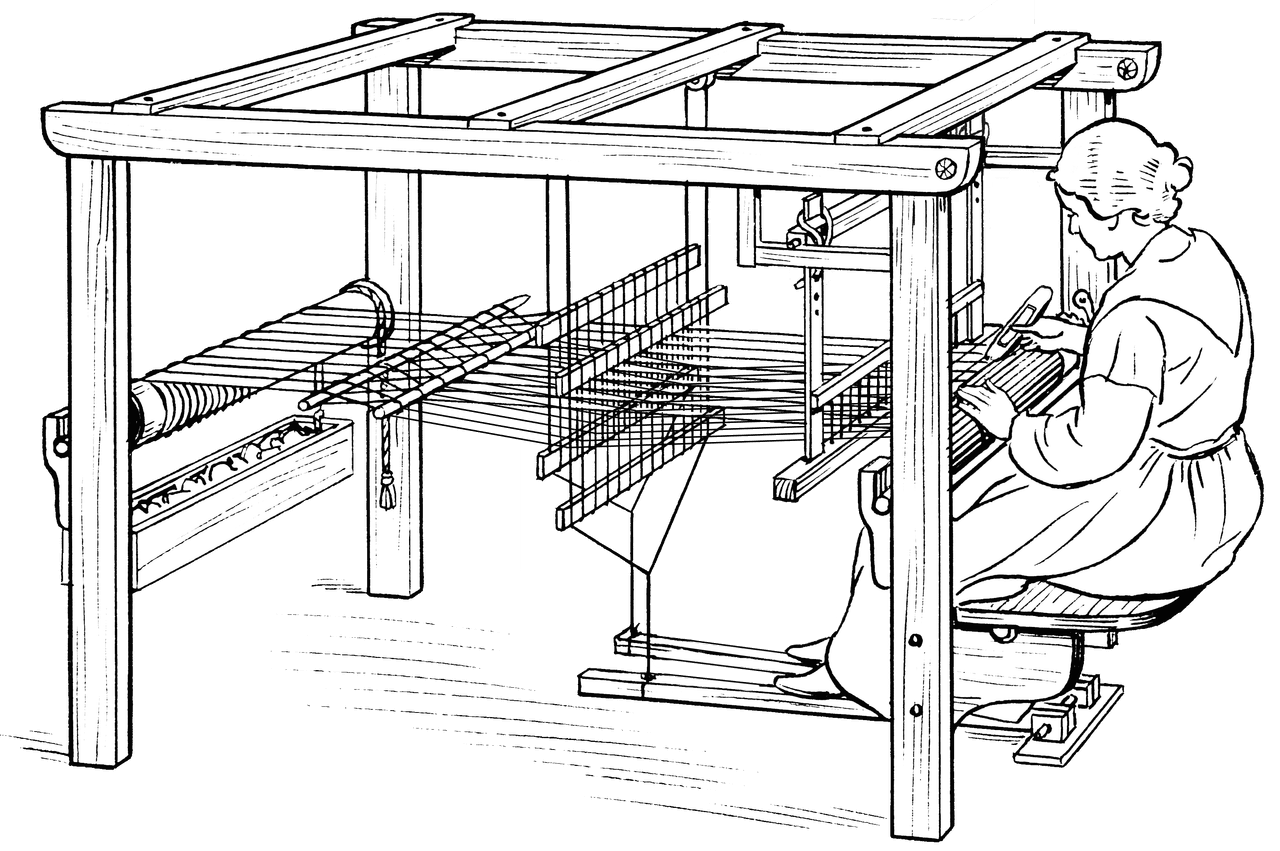
On a conventional rising-shed jack loom, pressing a treadle works against the combined weight of the harness frame, the heddles, and the warp threads threaded through them. At 8 shafts, with a full warp at fine sett, that weight is not trivial. Weavers who have worked on a conventional 8-shaft jack loom for several hours know what that resistance does to the knees and ankles.
The David III’s spring system carries a portion of that load. Louet’s pulleys route the harness movement through a mechanical system that lets the spring energy counterbalance the drop, so the weaver’s foot is moving the delta rather than the full load. The shed opens to 6cm (2.36 inches), which is a fully functional shed for the vast majority of weaving projects.
Weavers who have used the David consistently describe the treadle as “light” or “precise” in the same conversations where they describe conventional 8-shaft floor looms as “stiff” or “heavy.” The caveat: light treadling also means less feedback per stroke, which some weavers prefer and some find slightly unfamiliar coming from a heavier loom. Neither is wrong. They are different feels.
How compact is the David III for an 8-shaft loom?
The David 70 has a depth of 33.5 inches. The 90cm model is the same depth. This is a small number for a floor loom: the Schacht Baby Wolf at 26 inches weaving width has an assembled depth of 54 inches. The David III offers 27.6 inches of weaving width and 8 shafts in a loom that takes up less floor depth than many 4-shaft looms.
The David ships in two boxes with a pre-assembled castle section, which shortens assembly considerably. Louet’s instructions receive consistent positive marks from weavers who have assembled the loom.
The beech wood construction is worth noting against the maple-and-oak standard in North American floor looms. Beech is harder than alder (the Harp Forte) and comparable to maple in density, but has a different grain character and is used throughout European loom production. Louet’s lacquer finish is visually distinct from the oil finishes on Schacht products: lighter in tone, more furniture-like.
How does the David III compare to 4-shaft looms and other 8-shaft options?
It costs more than twice a 4-shaft loom and buys you four extra shafts plus the spring treadle, while its real edge over rival 8-shaft looms is a smaller footprint. The straight comparison is with the Schacht Baby Wolf, since most weavers reaching for the David III have considered the Baby Wolf first. The Baby Wolf starts at $2,386 for the 26-inch 4-shaft model. The David III starts at $5,087 for the 27.6-inch 8-shaft model.
What you get for the price difference: four additional shafts and the spring treadle mechanism. What you give up: the Baby Wolf’s upgrade path (Four-Now-Four-Later converts the Baby Wolf to 8 shafts), the Baby Wolf’s lower price, and Schacht’s US-based manufacturing and dealer network.
The comparison that actually matters is the David III against other 8-shaft floor looms:
| Loom | Weaving width | Shafts | Approx. depth | Notes |
|---|---|---|---|---|
| Louet David III 70 | 27.6” | 8 | 33.5” | Spring-pulley sinking shed |
| Louet David III 90 | 35.4” | 8 | 33.5” | Spring-pulley sinking shed |
| Schacht Cranbrook | 36” | 8 | Larger | US-made maple; rising shed |
| Macomber Add-a-Harness | 36” | 8 (from 4) | Varies | Expandable; jack loom |
| Harrisville 36” 8H | 36” | 8 | Varies | US-made; institutional market |
The David III’s differentiator in the 8-shaft class is its depth. No comparable-width 8-shaft loom sits in less floor space. If a studio can fit a 36-inch Cranbrook depth-wise, the Cranbrook is a strong alternative. If a studio cannot, the David III is often the only option at this shaft count and weaving width.
What does the David III ship with, and how long does delivery take?
Every David III includes:
- 800 Texsolv heddles (longer bundles for the wider models)
- 10-dent stainless steel reed
- Tie-up sticks and lease sticks
- 16 warp sticks
- Built-in raddle with snap-on covers (the raddle is integral to the castle frame)
- Friction brake and double ratchet cloth beam
The Texsolv heddle is worth noting specifically. Texsolv is a polyester cord heddle used throughout European loom production; it has an open eye that is easier to thread than the stamped metal heddle eye common on North American looms, especially at fine thread counts. 800 heddles at 8 shafts is 100 per shaft at a full 70cm warp, which is appropriate for medium setts. Fine sett warps or high thread counts will require additional heddles.
Optional accessories available separately: a Louet weaving bench, second warp beam, sectional warp beam, fly shuttle device, and Flying Dutchman shuttle.
Lead time: Louet manufactures in the Netherlands. Most US dealers list the David III as a special order with 16 to 18 weeks of delivery time. Some dealers stock the 70cm and 90cm widths. If you are buying for a specific project or deadline, confirm current stock with your dealer before ordering.
Is the Louet David III worth $5,000?
At $5,087, the David III is expensive for an entry into 8-shaft weaving. The Schacht Baby Wolf’s 8-shaft upgrade path (Four-Now-Four-Later) adds roughly $1,200 to $1,500 to the 4-shaft purchase price, bringing an 8-shaft Baby Wolf to something in the range of $3,600 to $3,900 for the 26-inch width. The David III at the same effective width starts $1,000 to $1,500 above that.
What the David III offers that the upgraded Baby Wolf does not: the spring-pulley mechanism, the more compact footprint, and the pre-assembled castle that simplifies setup. Whether those are worth the price premium depends on the weaver.
For someone who is certain about 8-shaft weaving, plans to weave long sessions, and has a studio where the 33.5-inch depth matters, the David III’s advantages are real. For someone who is less certain about whether they will use 8 shafts, the Baby Wolf with the upgrade path is the more conservative investment.
The David III is a production-quality loom, not a beginner’s machine. Weavers who own one consistently report keeping it for decades. That longevity matters at $5,000. Beginning floor-loom weavers are better served starting on a 4-shaft loom in the $2,000 to $3,000 range, a Schacht Baby Wolf or a Leclerc Nilus II is the usual recommendation, and moving up to 8 shafts once a real project practice has developed.
The David III sells through Louet’s authorized dealer network. Dealers include The Woolery, Paradise Fibers, Revolution Fibers, Eugene Textile Center, and regional weaving shops that carry Louet products. For weavers still deciding whether they want a floor loom at all, the Schacht Cricket and the best rigid heddle loom guide cover the lower-cost entry path. For weavers who have weaved on a 4-shaft floor loom and are assessing the step up, the David III is worth a hands-on try at a dealer or guild before committing.